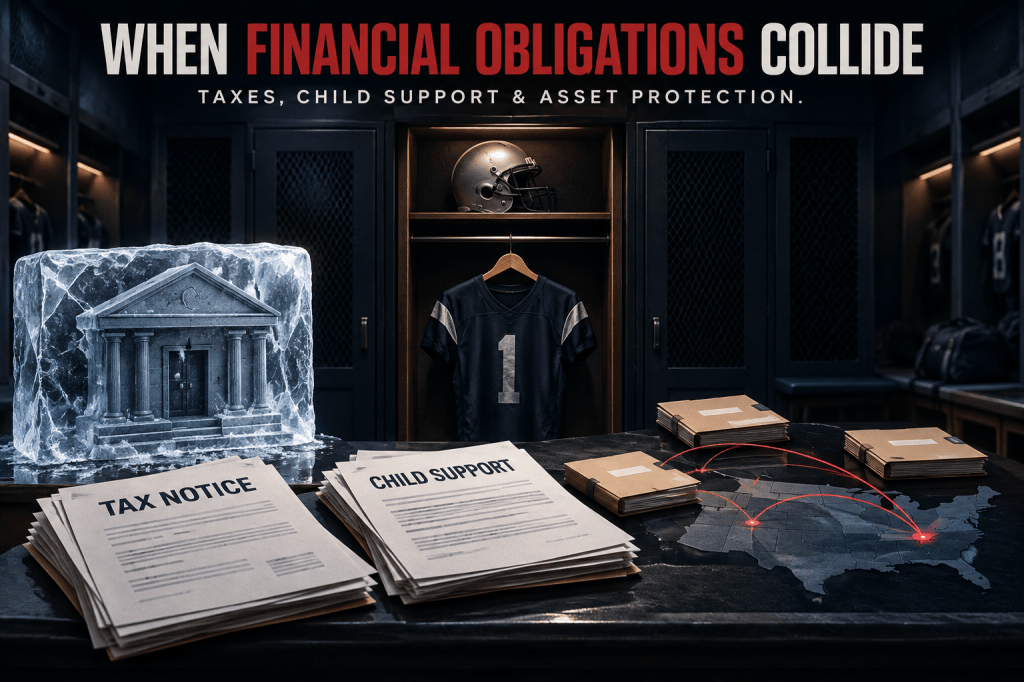
I’ve dedicated my career to dissecting the intricate intersections of law, finance, and business structuring, and the cautionary tale of former NFL running back Travis Henry remains a stark reminder of how quickly athletic fortunes can evaporate. Despite earning millions, Henry faced severe financial distress, highlighting the critical need for robust financial planning and legal safeguards for athletes at all stages of their careers. In 2026, with the dynamic shifts in sports finance, including NIL deals, understanding these pitfalls is more vital than ever.
The Travis Henry Saga: A Multi-faceted Financial Downfall
Travis Henry, once a formidable NFL running back, experienced a dramatic financial collapse despite signing a five-year, $25 million contract with the Denver Broncos in 2007. His descent into financial ruin was a confluence of several factors, primarily characterized by overwhelming child support obligations and legal troubles. Henry reportedly fathered at least 11 children with 10 different women, leading to an estimated $170,000 in annual child support payments. By March 2009, his lawyer, Randy Kessler, stated Henry was “virtually broke.” Judges frequently expressed little sympathy for his predicament, declining to lower monthly payments even when he became unemployed.
Beyond child support, Henry faced a separate federal drug trafficking charge, which ultimately led to a three-year prison sentence in 2009. While the drug case’s financial connection was vague in court, it certainly compounded his fiscal woes and ended his NFL career. His inability to make payments led to arrests and court orders, including one from a DeKalb County Superior Court judge to establish a $250,000 trust fund for one of his sons, an order later upheld by the Georgia Court of Appeals.
Beyond the Field: Common Pitfalls Threatening Athlete Wealth
The Travis Henry case, while extreme, mirrors common financial challenges that continue to plague professional and even collegiate athletes in 2026. One significant factor is the “sudden wealth syndrome,” where young individuals receive vast sums of money without the prerequisite financial literacy or experience to manage it effectively. This often leads to “lifestyle inflation,” where spending escalates with income, rather than prioritizing long-term savings and investments.
Many athletes feel immense pressure to support extended family and friends, leading to significant financial outflows, often without proper planning. A short career window is another critical issue; the average NFL career is just over three years, meaning athletes must accumulate and preserve wealth to last 50-60 years post-retirement. Poor investment decisions, driven by a lack of financial understanding or trust in unqualified advisors, also frequently contribute to wealth depletion.
Divorce and child support obligations, as seen with Henry, are common factors in athletes going broke, especially without prenuptial agreements or effective asset protection strategies. Furthermore, the complexities of multi-state taxation (“jock tax”) and insufficient insurance coverage for career-ending injuries can erode wealth if not proactively managed.
Essential Lessons for Pro, Retired, and Student Athletes Today
To safeguard their financial futures in 2026 and beyond, athletes must implement proactive and comprehensive wealth management strategies:
- Prioritize Financial Literacy Early:** Engage in mandatory, substantive financial education courses, starting as student-athletes, covering budgeting, investing, taxes, and debt management.
- Assemble a Qualified Advisory Team:** Hire a team of vetted, experienced professionals including financial advisors, CPAs, and legal counsel specializing in athlete wealth management.
- Establish Robust Legal Entities:** Utilize structures like Limited Liability Companies (LLCs) and trusts early in your career to protect personal assets from creditors, lawsuits, and divorce settlements.
- Create a Sustainable Budget and Emergency Fund:** Develop a realistic budget that balances current lifestyle with future financial security, aiming to save at least 40% of combined earnings, and build a substantial emergency fund.
- Implement Strategic Investment Planning:** Diversify investments across various asset classes, focusing on long-term growth and working with fiduciaries to avoid risky or illiquid ventures.
- Secure Comprehensive Insurance Coverage:** Obtain specialized insurance, including Permanent Total Disability (PTD) and Temporary Total Disability (TTD) riders, to protect against career-ending injuries.
- Plan for Post-Career Transition:** Develop a detailed post-career strategy that includes investing in further education, entrepreneurial ventures, or leveraging personal brand equity for sustainable income streams.
- Consider Prenuptial Agreements:** Proactively engage in prenuptial or even postnuptial agreements to clarify property rights and protect assets in case of divorce.
- Optimize Domicile for Tax Efficiency:** Strategically establish residency in states with no personal income tax to minimize state-level tax liabilities on non-game income.
- Build and Monetize Your Personal Brand (NIL):** Collegiate athletes, leveraging Name, Image, and Likeness (NIL) rights, should actively build and monetize their personal brands to create passive income streams that extend beyond their playing days.
SOURCES GROUNDED BY GOOGLE AI:
Verified Google Search Source:
- Wikipedia.org
- Moneywise.com
- YouTube.com
- Kksfamilylaw.com
- Aajc.com
- CelebrityNetWorth.com
- MomentPrivateWealth.com
- PhilanthropyForAthletes.org
- CressetCapital.com
- USBank.com
- Cyndeowp.com
- CPAMorey.com
- ParadigmNorton.co.uk
- PhilanthropyForAthletes.org
- ArbuthnotLatham.co.uk
- WilliamsAssetManagement.com
- Gilsongray.co.uk
- AnthemStrategists.com
- Cornell.edu
- DePaul.edu
- InsideHigherEd.com
- Withum.com
- AllAboutEstates.ca
- AdvisorHub.com




Leave a Reply